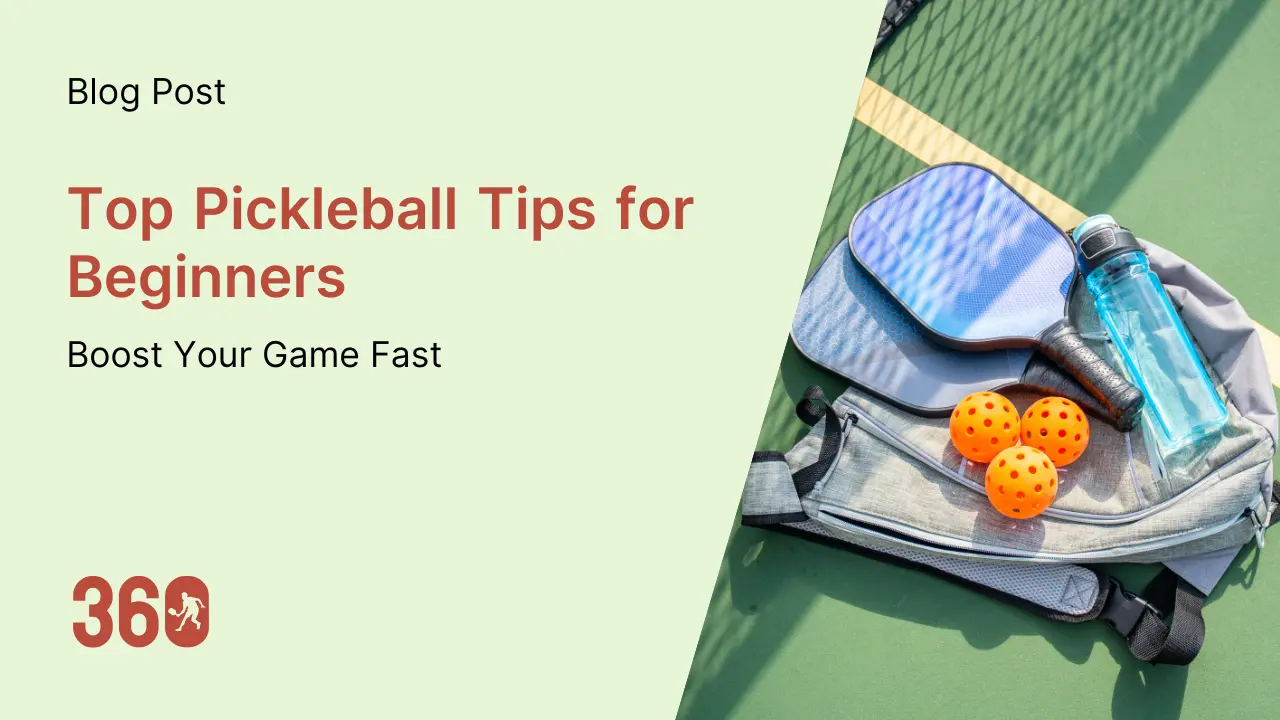
Pickleball Tips for Beginners: Boost Your Game Fast
In this guide, we explore essential pickleball tips for beginners that can help you become a better player quickly. Ready to lift your game? Let's jump in!
Quick Summary of Essential Tips
- Grip: Continental for versatility, Eastern for forehands.
- Footwork: Short steps, always moving on your toes.
- Ready Position: Knee bent, paddle up.
- Kitchen Rules: Be patient and practice dinks.
- Watch the Ball: Stay focused on it.
- Doubles Communication: Always let your partner know the plan.
- Serve Consistently: Focus on form over power.
What Are the Key Pickleball Tips for Beginners? 📝
As a newbie, it might feel overwhelming at first, but don't worry! Here's a curated list of helpful tips that can drastically transform your game. Each tip is drawn from practical experiences shared by seasoned players, focusing on what can help you improve quickly.
Key Terms to Know:
- Kitchen: This is the area near the net where players cannot volley the ball (hit it in the air without it bouncing first).
- Dink: A soft shot that lands in the kitchen area.
- Serve: The act of hitting the ball to initiate the game.
1. Master the Ready Position
One key tip that many beginners overlook is the ready position. Always stand with your knees slightly bent, paddle up, and in front of you. This not only prepares you for an incoming shot but also helps you move quickly in any direction. It's all about being proactive!
2. Paddle Position and Ball Response
Keeping your paddle at the correct angle and position can improve your shot accuracy. When receiving a serve or return, keep your paddle up and ready, ideally angled toward the direction of the incoming ball.
Tips:
- Position the paddle above the net and point it where you expect the ball to come.
- This simple adjustment gives you more time to react.
Why it matters: This will improve your reaction time and make it easier to hit solid returns.
3. Focus on Footwork
Good footwork is crucial in pickleball. Many players become so focused on their paddle that they neglect to move their feet. Make it a habit to move your feet to position yourself for the best shot possible.
Pro Tip: Bend your knees and be on the balls of your feet. This way, you're always ready to pounce on the ball!
Benefits of Good Footwork:
- Easier to maintain balance.
- Helps to avoid injury.
- Increases your ability to return shots effectively.
Cons of Poor Footwork
- Missed shots due to being out of position.
- Increased chances of making unforced errors.
4. Learn to Dink
The dink shot is a staple in pickleball and one of the best shots for dominating at the net. Practicing soft shots into the kitchen can turn the game in your favor.
Pros of Dinking:
- Forces your opponent to make decisions.
- Opens up the court leading to scoring opportunities.
How to Execute a Dink:
- Stand near the kitchen line.
- Gently tap the ball over the net, aiming for placement rather than power
- Try to make it land just inside the kitchen box.
5. Get to the Kitchen Line
One of the first pieces of advice any beginner can benefit from is getting to the kitchen line as quickly as possible. The closer you are to the net, the easier it is to control the game.
Things to Remember:
- After you serve, quickly move toward the kitchen line — don't linger back.
- Maintain your position at the kitchen line during rallies for better shot options.
6. Embrace the "Split Step"
A technique many advanced players use is the split step. This quick movement prepares you to spring into action once your opponent hits the ball.
Split Step Instructions:
- Stand with your feet shoulder-width apart.
- As your opponent strikes the ball, jump lightly and land on the balls of your feet.
- Be ready to move in any direction based on where the ball heads.
7. Watch the Ball!
A common mistake newbies make is losing sight of the ball while preparing to hit it.
This may seem obvious, but focusing on the ball while it's in play is essential. Many beginners mistakenly look away or focus too much on their opponents. Keep your eyes on the ball until the moment you make contact.
Tips:
- Practice tracking the ball during drills or casual games to enhance your eye-hand coordination.
- Stay focused on the ball until after you've made your shot
Why it matters: This allows for better timing and can greatly improve the accuracy of your shots.
8. Control Your Power
It's exciting to smash the ball hard, but more important than power is control. Hitting the ball with excess force can easily lead to mistakes, like hitting it out of bounds.
Strategy
- Try using about 70% power and place your shots carefully.
- This "control over power" approach will help you maintain accuracy.
9. Play to Improve, Not Just to Win
While winning is fun, as a beginner, your focus should be on improving your skills rather than just chasing victories. Enjoy the process of learning and developing your abilities.
Highlights:
- Evaluate your performance after games.
- Consider what you can improve and practice those specific areas.
10. Practice, Practice, Practice!
Like any other sport, practice makes perfect in pickleball. The more you play, the better you'll become. Join a local pickleball club, find practice partners, or hit the court on your own.
Where to Play: :
- Use Pickleball Map
- Check upcoming events
- Reach pickleball dedicated clubs
11. Be Strategic With Your Shots
Pros of smart shot selection:
- Keeps your opponents on their toes.
- Improves your accuracy and confidence.
Cons of rushing your shots:
- Higher chance of errors
- Losing focus on the game.
- Use Dinks: Soft shots landing in the kitchen can create opportunities. Here's a quick tip—aim for your opponent's backhand! .
- Lobs are your Friend: A good lob can surprise your opponent and buy you time to regroup.
12. Learn to Let Go of Bad Shots
It's easy to dwell on mistakes, but that won't serve you well on the court.
- Tip: Accept that mistakes happen. Focus on the next point instead of worrying about missed opportunities.
Benefits:
- Helps you maintain a positive mindset.
- Allows you to grow and improve faster.
Immediate Improvement Pickleball Tips from the Pros 🌟
Beyond the basics, here are some golden nuggets of wisdom that players suggest can bring about immediate improvement:
- "Let It Fly!": If the ball is shoulder-high or above, it's often better to let it go unless you're confident in making the shot.
- "One More Ball!"": Play with the mindset of always making sure you keep the rally going, as many games are won from staying in the point longer.
- "Keep Eyes on the Ball!": Focus on tracking the ball as it comes to you. This simple act can significantly enhance your timing and accuracy.
Common Pitfalls to Avoid
Like any sport, beginners can make common mistakes. Here are some to steer clear of:
- Overexertion: It's easy to try and hit every ball hard, but accuracy matters more!
- Neglecting the Kitchen Rules: Being too eager to volley can result in losing points.
- Poor Paddle Control: Beginners often struggle with controlling their paddles properly, leading to mishits.
Pros and Cons of These Pickleball Tips for Beginners
Pros:
- Boosts Confidence: Implementing these tips can quickly improve your game, making you feel more comfortable on the court.
- Enhances Technique: Focusing on position, timing, and strategy can refine your overall play style.
- Encourages Patience: Learning to place shots and control your pace fosters better long-term gameplay.
Cons:
- Takes Time: You may need to practice consistently to fully integrate these tips into your play style.
- Cognitive Load: Overthinking these fundamental skills might lead to a lack of fluidity at first, so be patient with yourself.